
 EN
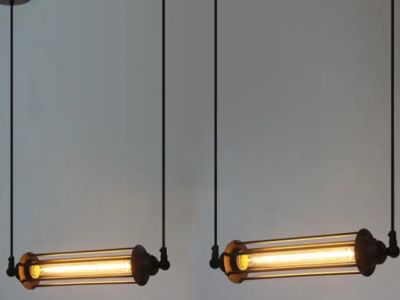
Industrial pendant lights have become a staple in open-concept office designs, not only providing essential illumination but also serving as key decorative elements that enhance the overall aesthetic. Understanding how industrial pendant light styles anchor open-concept offices is crucial for purchasing managers and facility planners looking to create an inviting and functional workspace. This article will delve into how to select the right pendant lights, the cost considerations involved, installation guidance, material advantages, and common challenges associated with these lighting solutions.
How to Choose the Right Industrial Pendant Light for Your Office
Selecting the right industrial pendant light involves evaluating various factors that align with your office's design and functional requirements. First, consider the size of the space: larger areas may benefit from multiple fixtures to ensure adequate illumination, while smaller spaces might require fewer, strategically placed lights.
Next, assess the style and design of the fixtures. Industrial pendant light can vary widely in their aesthetic, from minimalist designs that emphasize clean lines to more elaborate, vintage-inspired options that add character. The chosen style should complement your office's overall decor and branding.
Another critical consideration is the type of light source. LED options offer energy efficiency and longevity, making them ideal for commercial applications where operational costs matter. Furthermore, consider the color temperature of the lights; warmer tones can create a welcoming atmosphere, while cooler tones may enhance focus and productivity.
Finally, ensure that the pendant lights you select comply with relevant building codes and safety standards, which can significantly impact installation and operational safety.
Understanding the Cost Factors of Industrial Pendant Lighting Solutions
The cost of industrial pendant lighting solutions can vary significantly based on several factors. Key cost determinants include the type of materials used, the complexity of the design, and the technology integrated into the fixtures.
Materials: Fixtures made from robust materials like metal or glass generally have higher upfront costs but can offer better durability and longevity. Cheaper plastics may seem appealing but often do not withstand the rigors of a commercial environment.
Design Complexity: Custom designs or intricate styles usually command higher prices due to the additional craftsmanship involved. Standardized designs, while less customizable, can reduce costs and lead times.
Lighting Technology: LED fixtures may have a higher initial cost but provide savings over time through reduced energy consumption and lower maintenance costs. Consider the total cost of ownership when evaluating options.
Volume: Bulk purchases often attract discounts, which can significantly affect the overall expenditure. When sourcing, inquire about minimum order quantities (MOQ) and potential pricing tiers for larger quantities.
Understanding these cost factors will enable purchasing managers to make well-informed decisions that align with budget constraints while ensuring quality.
Installation Guidance for Industrial Pendant Lights in Open Offices
Proper installation of industrial pendant lighting is crucial for optimizing their performance and aesthetic appeal. Here are some essential considerations:
Height and Placement: Pendant lights should be hung at an appropriate height to prevent glare while ensuring adequate illumination. A common guideline is to position them 28 to 34 inches above desk surfaces. In collaborative spaces, consider slightly higher placements to avoid obstructing sightlines.
Electrical Considerations: Ensure that the installation complies with local electrical codes. If you're retrofitting existing spaces, assess the current wiring and electrical load to accommodate new fixtures.
Spacing: Maintain consistent spacing between the lights to create an even distribution of illumination. A general rule of thumb is to space fixtures approximately 5 to 6 feet apart, although this can vary based on the light's intensity and design.
Professional Installation: For complex installations, hiring a licensed electrician is recommended to avoid safety hazards and ensure compliance with all regulations.
By following these guidelines, you can achieve both functional and visually appealing results in your open-office layout.
Evaluating Material Advantages of Pendant Lights for Commercial Use
The materials used in industrial pendant lights significantly impact their performance, aesthetics, and suitability for commercial environments.
Metal: Fixtures made from steel or aluminum are not only durable but also allow for a variety of finishes, such as powder coating or anodizing, that enhance their resistance to corrosion and wear. Metal fixtures are often favored for their contemporary look and robustness, making them ideal for high-traffic areas.
Glass: Glass pendant lights offer excellent light diffusion and can create an elegant look. However, they can be more fragile than metal options. Consider tempered or safety glass varieties for enhanced durability.
Plastic: While generally less expensive, plastic fixtures may not provide the long-term performance required in a commercial setting. They can be suitable for temporary installations or low-traffic areas.
Customization Options: Many manufacturers, including Haining Tonghua Lighting Co., Ltd., offer customization capabilities, allowing businesses to tailor materials and finishes to fit their specific brand identity and functional needs.
Evaluating these material advantages is essential for ensuring that your pendant lights meet both aesthetic and practical requirements.
Common Problems with Pendant Lighting and Effective Solutions
Despite their popularity, industrial pendant lights can present certain challenges. Here are some common issues and effective solutions:
Insufficient Lighting: If the pendant lights do not provide adequate illumination, consider increasing the number of fixtures or selecting lights with higher lumen outputs. It may also be beneficial to combine pendant lighting with other sources, such as task lighting or ambient fixtures.
Difficult Maintenance: Fixtures that are challenging to access for maintenance can lead to increased costs and downtime. Opt for designs that allow easy access to bulbs and components or consider using LED fixtures that require less frequent replacements.
Wiring Issues: Improper installation can lead to flickering lights or complete failure. Ensure that all electrical work is performed by a qualified professional and that fixtures are compatible with existing electrical systems.
Aesthetic Mismatches: Sometimes, the selected lights may not harmonize with the office decor. To address this, involve interior designers early in the selection process and consider mock-ups or samples to visualize how the lights will look in the space.
By proactively addressing these common problems with thoughtful planning and design, businesses can enjoy the full benefits of industrial hanging pendant lights in their offices.
This article outlines the essential aspects of selecting and implementing industrial pendant lights in open-concept offices, providing valuable insights for B2B buyers looking to enhance their work environments.
Table of Contents
- How to Choose the Right Industrial Pendant Light for Your Office
- Understanding the Cost Factors of Industrial Pendant Lighting Solutions
- Installation Guidance for Industrial Pendant Lights in Open Offices
- Evaluating Material Advantages of Pendant Lights for Commercial Use
- Common Problems with Pendant Lighting and Effective Solutions