
 EN
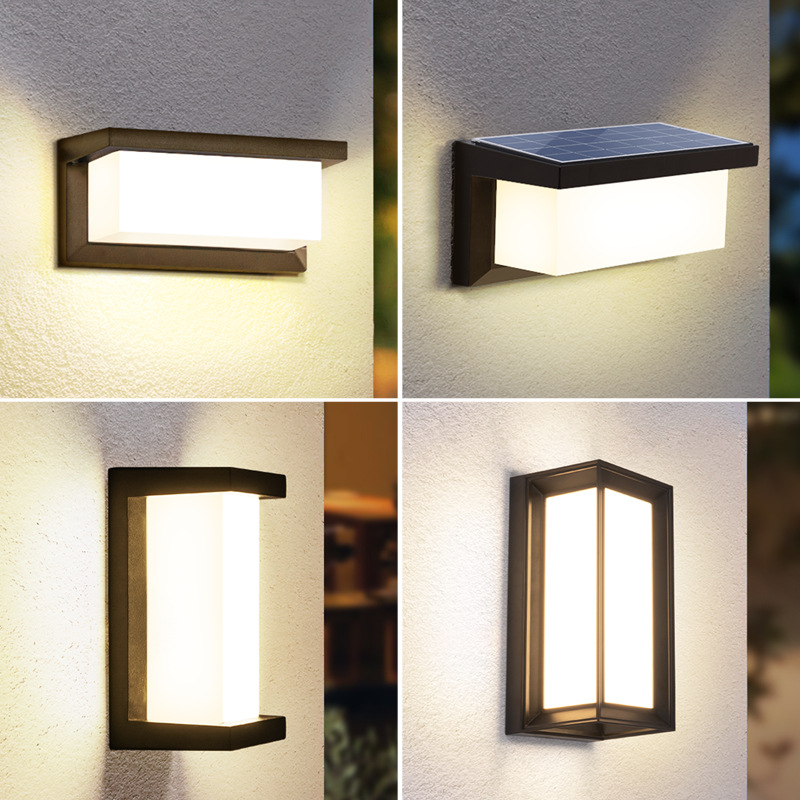
Understanding how lampshade pendant light texture affects room mood is crucial for creating the desired ambiance in both residential and commercial spaces. The texture of a lampshade can significantly influence the light’s diffusion, color temperature, and overall aesthetic appeal. For B2B buyers, such as purchasing managers and interior designers, selecting the right lampshade texture is not just about style, but also about functionality and mood enhancement. This article will explore key specifications of lampshade materials, customization options, and installation tips, helping you make informed purchasing decisions.
Key Specifications of Lampshade Pendant Light Materials
When evaluating lampshade pendant lights, the choice of materials and their specific properties is fundamental. Common materials include fabric, glass, metal, and acrylic, each offering distinct advantages and disadvantages.
Fabric: Provides warmth and diffuses light softly, creating a cozy atmosphere. However, it may be less durable in high-traffic areas or commercial settings.
Glass: Offers a sleek, modern look and allows for a wide range of designs, from frosted to clear. Glass is easy to clean but can be fragile, requiring careful handling during installation and maintenance.
Metal: Known for durability and contemporary appeal, metal shades can direct light effectively and create a dramatic effect. However, they may retain heat, which is a consideration in warmer environments.
Acrylic: Lightweight and shatter-resistant, acrylic is a practical option for various applications. It can mimic the look of glass while being more resilient, though it may scratch more easily.
Understanding these specifications helps you select the right lampshades for your intended environment, ensuring both aesthetic and functional requirements are met.
Wholesale Options for Custom Lampshade Pendant Lights
Haining Tonghua Lighting Co., Ltd. offers a variety of wholesale options for custom lampshade pendant lights, allowing businesses to tailor products to specific needs. Customization can include size, shape, and texture, which directly impacts mood and lighting quality.
When considering a wholesale order, it’s essential to determine your minimum order quantity (MOQ) and lead time, as these factors can influence your purchasing strategy. Custom designs may require additional time for prototyping and approval, so early communication with the supplier is advised.
Additionally, buyers should provide detailed specifications, including desired materials, dimensions, and any branding requirements. This ensures that the final product aligns with your vision and meets customer expectations.
How to Compare Lampshade Textures for Mood Enhancement
The texture of a lampshade can dramatically alter the mood of a space. Here are some factors to consider when comparing textures:
Smooth vs. Textured: Smooth surfaces tend to reflect light more evenly, creating a bright and airy feel. In contrast, textured surfaces can diffuse light and create a softer, more intimate atmosphere, which may be desirable in hospitality settings.
Pattern and Color: The choice of patterns and colors on a lampshade can evoke different emotions. For instance, warm colors like reds and oranges can create a cozy, inviting environment, while cooler tones, such as blues and greens, can promote calmness and relaxation.
Light Diffusion: Different textures affect how light is dispersed. For example, a fabric shade may cast a warm glow, while a glass shade can produce a sharper, brighter light. Understanding how these factors impact mood can guide your selection process effectively.
By considering these aspects, you can choose lampshade pendant light that enhance the desired atmosphere in any given setting, whether it be a vibrant café or a tranquil office space.
Quality Control in Lampshade Manufacturing
Quality control is a critical aspect of lampshade manufacturing, ensuring that products meet both aesthetic and functional standards. Haining Tonghua Lighting Co., Ltd. implements rigorous quality assurance processes throughout production.
Key quality control measures include:
Material Inspection: All materials undergo thorough inspection to ensure they meet specified standards for durability, safety, and appearance.
Production Monitoring: Continuous monitoring during the manufacturing process helps identify issues early, reducing waste and ensuring consistency across products.
Final Testing: Completed lampshades are subjected to functional testing, including light diffusion and structural integrity assessments. This step ensures that the products not only look good but also perform optimally in their intended applications.
These quality control processes help build trust with buyers, assuring them that they receive reliable and stylish lighting solutions that meet their needs.
Installation Tips for Lampshade Pendant Lights in Various Settings
Proper installation of lampshade pendant lights is crucial to achieve the desired effect and ensure safety. Here are practical tips tailored for different environments:
Residential Settings: For homes, consider the height at which the pendant light will hang. A general rule is to install the bottom of the shade 30 to 36 inches above the dining table or counter surface to allow for effective illumination without obstructing views.
Commercial Spaces: In offices or retail environments, multiple pendant lights should be spaced evenly to provide consistent lighting. Ensure that the shades are positioned at a height that accommodates both aesthetic appeal and functional lighting.
Outdoor Use: If installing pendant lights outdoors, ensure that the materials are suitable for exposure to the elements. Use weather-resistant shades and secure wiring to prevent hazards.
Additionally, always refer to the manufacturer’s installation guidelines for specific instructions related to your hanging lampshades model. Proper installation not only enhances the lighting effect but also contributes to the longevity of the product.
By understanding the nuances of lampshade pendant light textures, buyers can make informed decisions that align with their project goals, ensuring optimal mood enhancement and functionality across various applications.