
 EN
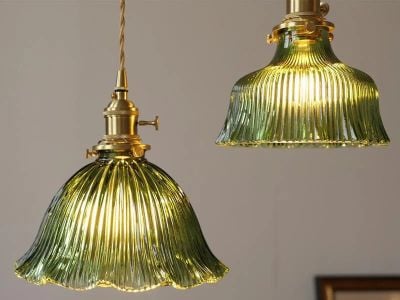
Pendant lighting for kitchen islands is a popular choice that not only adds aesthetic appeal but significantly improves task visibility. In a busy kitchen environment, where precision and clarity are paramount, effective lighting is crucial. This article will explore how pendant lighting enhances task visibility, what factors to consider when choosing quality lighting, and where to source reliable options. Additionally, we will discuss cost considerations for bulk orders and address common challenges that may arise with pendant lighting installations.
How Pendant Lighting Enhances Task Visibility in Kitchens?
Pendant lighting serves as a focused light source that illuminates specific areas, making it ideal for kitchen islands where food preparation and other tasks occur. The direct light from pendants reduces shadows and enhances visibility, enabling chefs and home cooks to see their work clearly, thus improving efficiency and safety. The height and positioning of pendant lighting for kitchen island can be adjusted to optimize visibility, creating an environment where tasks can be performed comfortably without straining the eyes. The design of pendant lights also plays a role in task visibility. Options range from clear glass shades that allow maximum light transmission to frosted finishes that diffuse light softly. Choosing the right design can significantly impact how light is distributed across the work surface, ensuring that every corner of the kitchen island is well-lit. In essence, effective pendant lighting not only aids in completing tasks but also contributes to the overall ambiance of the kitchen.
Choosing Quality Pendant Lighting for Improved Task Efficiency
When selecting pendant lighting for kitchen islands, several factors need to be evaluated to ensure optimal task efficiency. First, consider the light output measured in lumens; higher lumen ratings mean brighter lighting, which is essential for detailed kitchen work. A good rule of thumb is to aim for around 300-400 lumens per square meter for effective task lighting. Next, assess the color temperature of the bulbs used in the pendant lights. A color temperature of 3000K to 4000K is generally preferred in kitchens as it provides a warm ambiance while maintaining clarity in color. This is particularly important when handling food, as accurate color perception can affect the preparation process. Material selection is also crucial. outdoor pendant lighting made from durable materials like metal or high-quality glass can withstand the heat and humidity commonly found in kitchens. Additionally, it's advisable to choose fixtures that are easy to clean, as kitchens can often accumulate grease and dust that can diminish lighting effectiveness.
Where to Source Reliable Pendant Lighting for Kitchen Use?
Finding a reliable source for pendant lighting involves considering manufacturers that prioritize quality and customer service. Haining Tonghua Lighting Co., Ltd. is one option that offers a full range of indoor, decorative, and LED lighting products specifically designed for both residential and commercial applications. With a focus on export-oriented production, they ensure that their products meet international quality standards. When sourcing pendant lighting, inquire about product specifications, including materials used, energy efficiency ratings, and warranty options. It's also beneficial to request samples to evaluate the quality and performance of the lighting before placing a bulk order. Engaging with suppliers who offer customization capabilities can also help you match your lighting design to specific kitchen aesthetics or functional needs.
Cost Considerations for Bulk Orders of Kitchen Island Lighting
Understanding the cost implications of bulk orders for pendant lighting is essential for budget-conscious buyers. Factors influencing pricing include the complexity of the design, materials used, and any customization requested. Generally, bulk orders tend to bring down the unit cost, making it a more economical choice for large-scale projects, such as commercial kitchens or renovations. When negotiating pricing, consider the total landed cost, which includes manufacturing, shipping, and potential import duties. Establishing clear communication with the manufacturer about your needs can help avoid unexpected costs later in the process. Additionally, ask about lead times; manufacturers with robust production capabilities may offer shorter delivery times, which can be critical for project timelines.
Common Challenges with Pendant Lighting and Effective Solutions
While pendant lighting provides numerous benefits, several challenges can arise during installation and usage. One common issue is improper height placement, which can lead to inadequate lighting or obstructed views. To avoid this, measure the height of the kitchen island and consider the average eye level of users when installing pendant lights. Another challenge is ensuring that the lighting complements other elements in the kitchen. For instance, if the kitchen has a lot of natural light, selecting lights that can compete with this brightness is essential. In such cases, dimmable pendants can offer flexibility to adjust lighting according to the time of day or activity level. Finally, maintenance can be a concern, especially with fixtures that accumulate grease and dust. Choosing industrial pendant lighting with easy-to-clean surfaces will help maintain their effectiveness and appearance over time. Regular cleaning and occasional bulb replacements ensure that the lighting continues to perform optimally, enhancing the kitchen's overall functionality. In summary, pendant lighting for kitchen islands plays a vital role in improving task visibility, enhancing both safety and efficiency. By understanding the key factors involved in selecting quality lighting, sourcing reliable manufacturers, considering cost implications, and recognizing common challenges, buyers can make informed decisions that elevate their kitchen environments.
Table of Contents
- How Pendant Lighting Enhances Task Visibility in Kitchens?
- Choosing Quality Pendant Lighting for Improved Task Efficiency
- Where to Source Reliable Pendant Lighting for Kitchen Use?
- Cost Considerations for Bulk Orders of Kitchen Island Lighting
- Common Challenges with Pendant Lighting and Effective Solutions