
 EN
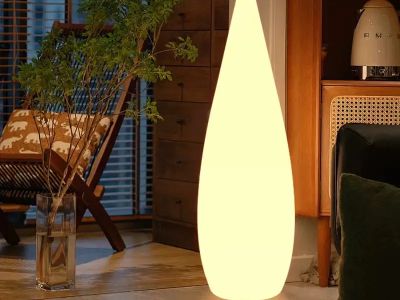
Smart floor lamps have become an essential element in modern home design, seamlessly integrating functionality and style. Understanding how smart floor lamps for living rooms integrate into modern homes is vital for B2B buyers, including purchasing managers and distributors, who are looking for stylish yet practical lighting solutions. This article will address key specifications, sourcing options, applications, common installation problems, and materials used in manufacturing smart floor standing lamp, allowing buyers to make informed purchasing decisions.
Key Specifications for Buyers
When evaluating smart floor lamps, several critical specifications should be considered:
Brightness and Wattage: The brightness level, measured in lumens, directly affects the ambiance of a living space. Most smart floor lights offer adjustable brightness settings, allowing users to customize lighting according to their needs. A higher wattage may indicate a brighter lamp, but energy efficiency also matters. Look for LED options, as they provide high lumens per watt.
Color Temperature: Measured in Kelvin (K), color temperature affects the mood of a room. Warm white (2700K-3000K) creates a cozy atmosphere, while cool white (4000K-5000K) is more energizing and suitable for task lighting. Many smart lamps offer tunable color settings, enhancing their versatility.
Smart Features: Buyers should assess connectivity options, such as Wi-Fi or Bluetooth, and compatibility with smart home systems (like Amazon Alexa or Google Assistant). Features like remote control, scheduling, and scene settings enhance user experience.
Height and Design: The height of the lamp should complement the room's dimensions and furniture. Consider designs that fit the aesthetic of modern living spaces, sleek, minimalist styles often work best in contemporary settings.
Safety and Compliance Standards: Ensure that the products meet relevant safety standards and certifications, such as UL or CE. This ensures quality and reliability, reducing the risk of electrical issues.
Where to Source Quality Smart Floor Lamps for Wholesale Orders?
Sourcing high-quality smart floor lamps requires careful evaluation of suppliers. Haining Tonghua Lighting Co., Ltd. offers a full range of indoor decorative and LED lighting products, making it an excellent option for wholesalers looking for diverse inventory. When sourcing, consider the following:
Supplier Reputation: Look for manufacturers with a proven track record in the lighting industry. Check reviews, testimonials, and any available case studies to gauge reliability.
Minimum Order Quantity (MOQ): Understand the MOQ policies, as they can vary significantly between suppliers. Ensure the MOQ aligns with your purchasing strategy and inventory management.
Customization Capabilities: Many buyers require specific designs or features. Confirm if the supplier can accommodate custom orders, including branding, color variations, and technical specifications.
Lead Time: Production lead times can affect inventory levels. Discuss timelines upfront to ensure that the supplier can meet your delivery schedules without compromising quality.
Quality Control Processes: Inquire about the manufacturer's quality assurance protocols. A reliable supplier should have stringent testing procedures in place to ensure product consistency and safety.
Applications of Smart Floor Lamps in Contemporary Home Settings
Smart floor lamps are versatile and can be used in various applications within modern homes:
Living Room Lighting: These lamps can serve as primary or supplemental lighting. Their ability to change brightness and color temperature makes them suitable for different activities, from reading to hosting gatherings.
Accent Lighting: Smart floor lamps can highlight architectural features or artwork, adding depth and character to spaces. Adjustable heads or multiple light settings allow for creative placement.
Task Lighting: For areas where specific tasks are performed, such as home offices or study corners, smart led floor lamp can provide focused illumination. Adjustable brightness ensures that light levels can be tailored to individual preferences.
Ambient Lighting: In settings where a relaxed atmosphere is desired, soft lighting can create a calming environment. Smart lamps can be programmed to gradually dim, enhancing comfort during evenings.
Mood Setting: The ability to customize color and brightness allows users to create specific moods for different occasions, making smart floor lamps an essential tool for modern interior design.
Common Installation Problems with Smart Floor Lamps and Solutions
While installing smart floor lamps is generally straightforward, buyers should be aware of common issues that may arise:
-
Connectivity Issues: Sometimes, smart lamps may not connect to home Wi-Fi networks or smart home systems. Ensure that the lamp is within range of the router and check the manufacturer's guidelines for setup.
Solution: If connectivity problems persist, resetting the lamp and reattempting the connection often resolves the issue.
-
Incompatibility with Smart Home Systems: Not all smart lamps are compatible with every smart home system. Before purchasing, confirm compatibility with existing systems.
Solution: If a smart lamp does not work with intended systems, consider contacting the supplier for alternatives or product updates that may enhance compatibility.
-
Physical Installation Challenges: Some lamps may require assembly or special handling during setup. Ensure that the assembly instructions are clear and that all parts are included.
Solution: Refer to the user manual for detailed assembly steps. If components are missing, contact the supplier for replacements.
-
Light Flickering or Malfunctioning: Occasionally, buyers may experience flickering lights or malfunctioning features.
Solution: Check for loose connections and ensure the lamp is connected to a compatible power source. If issues persist, consider seeking warranty assistance from the supplier.
Materials Used in Smart Floor Lamps Manufacturing
Understanding the materials used in the manufacturing of smart floor lamps is crucial for assessing quality and durability:
Lamp Body Materials: Common materials include metal, plastic, and wood. Metal provides durability and a modern aesthetic, while wood offers a warmer, natural look. High-quality plastics can be lightweight yet sturdy.
Shade Materials: The lamp shade materials can impact light diffusion and overall aesthetics. Options include fabric, glass, and acrylic. Fabric shades can soften light, while glass and acrylic can produce a more focused beam.
Electrical Components: Ensure that the internal wiring and electronic components meet safety standards. High-quality components reduce the risk of failure and enhance the lamp's lifespan.
Finishing Treatments: The surface treatment of materials can affect both appearance and durability. Look for finishes that resist corrosion, fading, and scratching, especially for lamps used in high-traffic areas.
Sustainable Materials: Increasingly, manufacturers are exploring eco-friendly materials and production methods. Consider sourcing from suppliers who prioritize sustainability, as this can be a selling point for environmentally conscious consumers.
By understanding these specifications, sourcing options, applications, installation issues, and materials, B2B buyers can make informed decisions when selecting smart floor lamps for living rooms that integrate seamlessly into modern homes.