
 EN
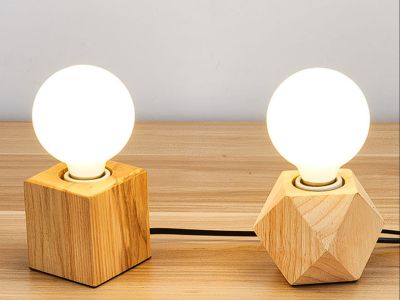
Versatile pendant light options are crucial for multi-use facilities, providing both functionality and aesthetic appeal. Understanding how these lighting solutions can meet diverse needs is essential for B2B buyers, including purchasing managers and facility planners. This article will delve into the various considerations when sourcing pendant lights in bulk, how to assess their quality, address common issues, and highlight the importance of high-quality materials in manufacturing. By the end, you will be better equipped to make informed purchasing decisions regarding pendant lights for your facility.
Meeting Diverse Facility Needs
Multi-use facilities, such as conference centers, educational institutions, and retail spaces, require adaptable lighting solutions that cater to various activities and environments. Pendant lights offer versatility in design and functionality, making them suitable for different settings.
For instance, in a conference room, pendant lights can create an inviting atmosphere while providing adequate illumination for presentations. In contrast, retail spaces may benefit from pendant light that enhance product displays while aligning with the overall branding. When selecting pendant lights, consider factors like adjustable brightness, color temperature, and design flexibility to ensure they meet the specific needs of various areas within the facility.
Moreover, the ability to customize pendant lights can significantly enhance their functionality. Manufacturers like Haining Tonghua Lighting Co., Ltd. offer options to tailor designs, dimensions, and finishes, allowing buyers to select products that align seamlessly with their facility's aesthetic and operational requirements.
What to Consider When Sourcing Pendant Lights in Bulk
When sourcing pendant lights in bulk, several key considerations come into play to ensure that the selected products align with your facility's needs and budget.
First, determine the quantity required and the specifications that best suit your project. This includes dimensions, wattage, and design style. Providing clear technical drawings can help potential suppliers understand your requirements better and offer accurate quotations.
Second, evaluate the supplier's manufacturing capabilities and experience in producing similar lighting solutions. A reliable supplier should be able to provide samples that showcase their quality and craftsmanship. Be sure to request a sample before placing a large order, as this allows you to assess the final product's appearance and performance under actual conditions, not just based on technical specifications.
Additionally, consider the lead time for production and delivery. Effective supply chain management is crucial in ensuring that your project stays on schedule. Discuss the production timeline with potential suppliers to gauge their ability to meet your deadlines.
Finally, inquire about minimum order quantities (MOQs). Understanding the MOQ can aid in budgeting and determining whether a supplier can accommodate your volume needs.
Evaluating the Quality of Pendant Lights for Multi-Purpose Use
Quality evaluation is a critical step when selecting pendant lights for multi-purpose applications. The quality of materials used in manufacturing significantly impacts durability, performance, and safety. Here are some factors to consider:
Material Quality: Look for hanging pendant lights made from high-quality materials such as aluminum, stainless steel, or durable plastics. These materials not only enhance the aesthetic appeal but also contribute to the longevity of the lights. For instance, aluminum is lightweight yet robust, making it ideal for various applications.
Certifications: Verify whether the lighting products comply with relevant safety and performance standards. Certifications, such as UL or CE, can indicate that the lights have undergone rigorous testing and meet specified safety criteria.
Finish and Coating: The finish of the pendant light affects its resistance to wear and tear. A high-quality finish can prevent corrosion and fading, ensuring that the lights maintain their appearance and functionality over time.
Wattage and Energy Efficiency: Evaluate the wattage of the pendant lights and their energy efficiency ratings. LED options are often preferred due to their lower energy consumption and longer lifespan compared to traditional incandescent bulbs. This not only reduces operational costs but also minimizes environmental impact.
Warranty and Support: A reputable manufacturer should offer a warranty for their products, providing peace of mind regarding their performance and durability. Inquire about after-sales support, as this can help address any issues that may arise post-purchase.
Common Problems with Pendant Lights and Practical Solutions for Buyers
Despite their versatility, pendant lights can present certain challenges that buyers should be aware of. Here are some common issues along with practical solutions:
Inconsistent Lighting Quality: One frequent problem is inconsistent lighting quality due to poor manufacturing. Buyers should always request samples to assess the light's uniformity and performance before committing to a bulk order.
Installation Challenges: Complicated installation requirements can lead to delays and additional costs. Ensure the pendant lights come with clear installation instructions and all necessary hardware. If possible, consult with the supplier regarding installation support or recommendations.
Maintenance and Cleaning: Pendant lights can accumulate dust and grime, especially in high-traffic areas. Opt for designs that are easy to clean and maintain. Smooth surfaces and removable components can simplify the cleaning process.
Compatibility Issues: Ensure that the pendant lights are compatible with existing electrical systems, especially in older buildings. Discuss with the supplier any modifications needed for installation and operation.
Limited Design Options: If the available designs do not meet your aesthetic requirements, communicate your specific design needs to the manufacturer. Customization options can often accommodate unique stylistic demands.
Benefits of High-Quality Materials in Pendant Light Manufacturing
The materials used in pendant light manufacturing play a vital role in their performance and longevity. Higher-quality materials offer several benefits:
Durability: Pendant lights made from robust materials are less prone to damage, ensuring they withstand the rigors of various environments. For instance, metal fixtures are often more resilient than plastic counterparts, making them ideal for commercial settings.
Enhanced Aesthetics: Quality materials contribute to the overall look and feel of the pendant lights. High-grade finishes can elevate the design, making them more appealing in a variety of settings, from modern offices to upscale restaurants.
Safety and Compliance: Well-manufactured living room pendant light using quality materials are more likely to meet safety standards, reducing the risk of electrical hazards. Buyers should prioritize materials that comply with industry regulations, ensuring a safe environment for users.
Energy Efficiency: Quality materials, combined with advanced technology, can enhance energy efficiency. For example, LED pendant lights with superior thermal management materials can dissipate heat effectively, prolonging the lifespan of the bulbs and reducing energy costs.
Cost-Effectiveness: While high-quality pendant lights may come with a higher initial investment, their durability and lower maintenance needs can lead to significant cost savings over time. This is a crucial consideration for budget-conscious buyers looking for long-term lighting solutions.
Understanding the versatile pendant light options available for multi-use facilities enables informed decision-making for B2B buyers. By considering the diverse needs of your facility, evaluating quality, and addressing common challenges, you can successfully navigate the procurement process and achieve effective lighting solutions for your space.