A shade that looks right on a sample lamp can become costly when it reaches your warehouse. When comparing glass vs acrylic lamp shades, include fit, packing, and replacement supply in the buying decision.
Your priorities will differ between a showroom collection and an online range shipped as individual parcels. Compare samples in the intended fixture, then ask for the packaging you will actually use.
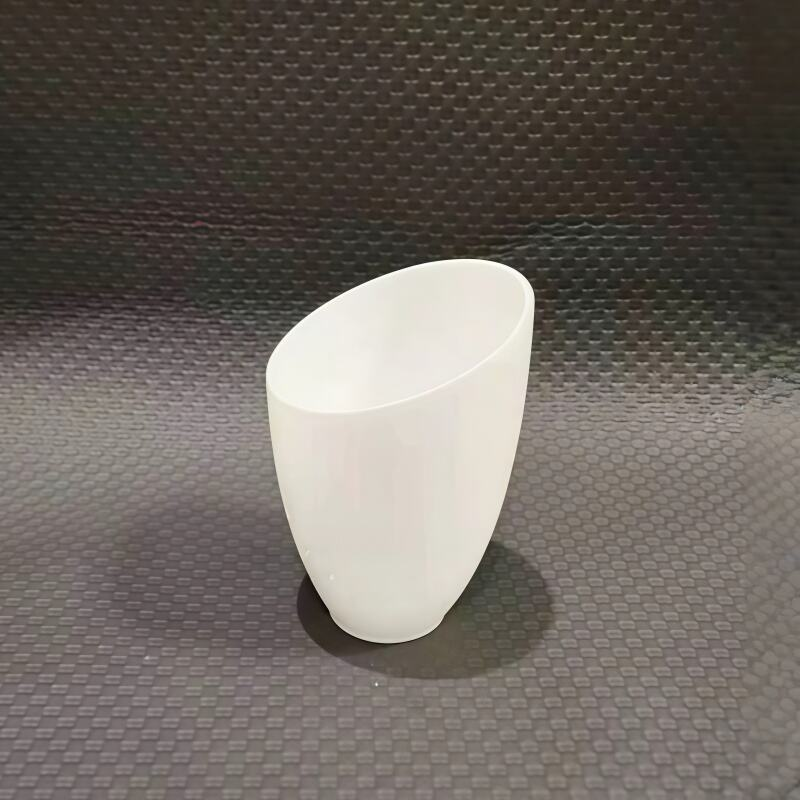
Milky white beveled glass shade from Tonghua Lighting.
Match the material to your sales channel
Glass may suit a collection where customers value its surface finish and substantial feel. Before selecting it, assess the weight and protection needed for your actual design.
Acrylic is generally lighter than glass at comparable dimensions, although finished weight depends on geometry and wall thickness. Consider it when frequent handling or shipping weight matters, then verify scratch resistance and appearance on production samples.
Neither choice guarantees low returns or a particular lighting effect. The shape, finish, mounting arrangement, and packaging all influence how the product performs after delivery.
Our lamp shade range includes glass and acrylic options for DIY lighting. Shortlist by application first, then request the dimensions and material details for each candidate.
Resolve fit before comparing finishes
A shade described for an E27 lamp still needs a defined mechanical interface. The lamp base designation alone does not specify the shade opening, attachment method, or supported weight.
Request a drawing showing the opening, overall dimensions, attachment surfaces, and tolerances. Check the intended holder, retaining ring, and shade together before approving the combination.
|
Check |
Glass shade |
Acrylic shade |
|
Surface acceptance |
Inspect chips, cracks, finish, and visible inclusions |
Inspect scratches, molding marks, color, and haze |
|
Mounting |
Check edges, support, and clamping contact |
Check fit, wall thickness, and clamping deformation |
|
Transport |
Assess cushioning, separation, and impact protection |
Assess surface protection and resistance to crushing |
|
Repeat supply |
Match shape, dimensions, and finish |
Match material grade, geometry, and color |
Ask for the measured weight of each finished sample and its approved support arrangement. You can then confirm that your fixture design accommodates the selected shade.
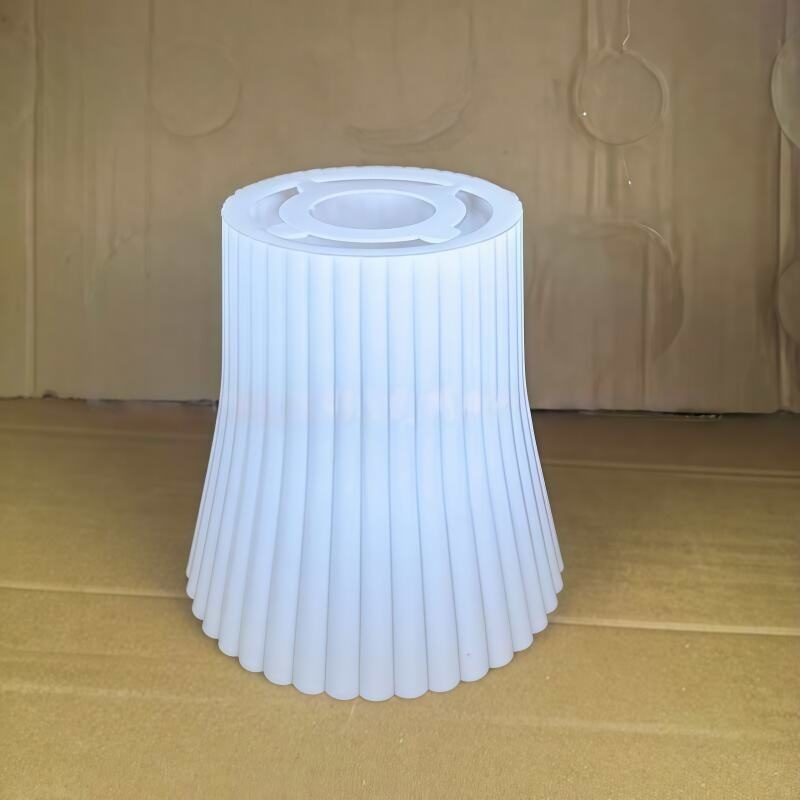
White acrylic table lamp shade from Tonghua Lighting.
Judge the light with the intended bulb
Compare samples using the same bulb, fixture, viewing position, and room conditions. This makes differences in diffusion, visible bright spots, and color appearance easier to identify.
Inspect each shade with the light switched off as well as on. Customers may notice scratches, uneven color, or visible seams before they judge the illuminated appearance.
Keep photographs and an approved physical sample as references for repeat orders. A different camera exposure can hide the variation you are trying to judge from a supplier's photograph.
Confirm heat limits for the assembled lamp
The word acrylic does not identify every relevant material property. Ask for the specified grade and the temperature limits applicable to the supplied shade.
Check bulb clearance, ventilation, permitted bulb type, and maximum lamp rating for the complete configuration. An LED bulb can still create local heat, particularly inside a restricted enclosure.
Have qualified personnel assess the assembly and any required testing before launch. Material selection alone does not establish compliance or suitability for every bulb and fixture.
Test packaging for the route you actually use
A sample delivered successfully once does not establish dependable shipping performance. If you ship directly to customers, assess individual retail packs as well as the cartons used for bulk transport.
ISTA distinguishes screening tests from transport simulation procedures. Select an appropriate procedure with your test laboratory instead of assuming one test covers every distribution channel.
For glass, focus on movement inside the carton and contact between fragile edges. For acrylic, assess scratching, pressure marks, and deformation alongside protection against impact.
Separate individual shades so they cannot rub or strike one another.
Confirm that sleeves, dividers, and cushioning match the approved packing sample.
Record carton dimensions, gross weight, and units per carton.
Inspect the product after testing and document the acceptance criteria.
Compare cost per usable shade
Include packing, freight, duties, inspection, and replacements in your comparison. Evaluate received quantities against your acceptance criteria, including appearance and fit.
Cost per usable shade = total batch cost / accepted shades
Consider a hypothetical order costing $2,400 with 240 accepted shades. Your cost is $10.00 per usable shade before any additional aftersales expense.
An alternative costing $2,250 with 210 accepted shades costs approximately $10.71 each. These figures illustrate the calculation and do not describe expected performance for either material.
Use results from your trial shipment to replace assumptions in the calculation. Track damage, appearance defects, and fitting problems separately so you can address their causes.
Protect repeat orders with a replacement plan
Agree how replacement shades will be identified, packed, and reordered. A stable part number and dimensional drawing help your team avoid supplying a similar shade that does not fit.
Confirm minimum quantities for replacement orders and how long the design is expected to remain available. Set spare stock using your service commitments and actual damage history.
Avoid promising indefinite compatibility across a product range without checking each combination. A small change in opening size or mounting geometry can disrupt an otherwise successful replacement program.
Questions wholesale buyers ask
Is acrylic always the cheaper wholesale option
You need quotations for comparable designs, quantities, and packaging before deciding. Molding requirements, finish, freight, and accepted yield can change the final cost comparison.
Can a glass shade be replaced with an acrylic shade
Only after you verify fit, support, bulb clearance, and the relevant operating limits. Have the changed assembly reviewed before presenting it as an interchangeable replacement.
How should I compare samples from different suppliers
Use one specification, one fixture configuration, and the same acceptance criteria. Compare both the unpacked shade and the final packaging you will receive in production.
Request a shade quotation with usable specifications
Compare our milky white glass shade and white acrylic shade as style references. These are different designs, so confirm fit and performance separately before comparing costs.
Send Tonghua Lighting your shade requirements with drawings, target quantities, destination, and packaging needs. Include your intended bulb and fixture so the proposed options can be reviewed against the actual application.
 Hot News
2026-09-22
2026-09-18
2026-09-16
2026-06-30
2026-06-18
2026-06-18

 EN