A pendant kit can look complete in a product photo and still leave your warehouse team sourcing missing parts. When you buy DIY pendant light kits in bulk, define exactly what must arrive in each carton.
For a lighting retailer, one missing mounting bracket can hold up an otherwise saleable order. Settle the selling market, kit contents, and sample requirements before you compare suppliers on price.
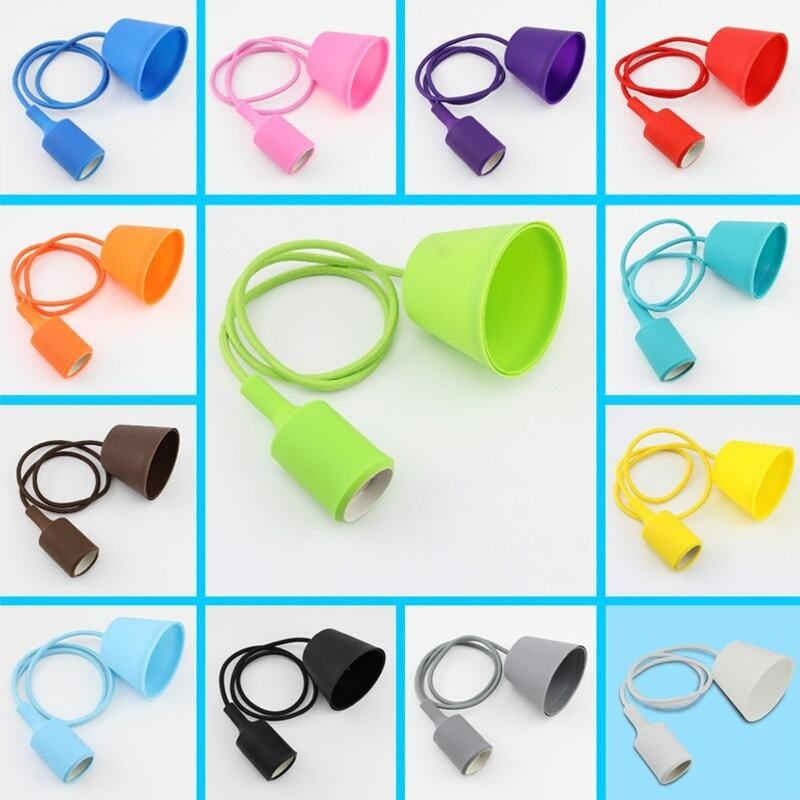
Silicone pendant cable sets in multiple colors from Tonghua Lighting.
Define what your customer is buying
A pendant cable set, a loose component bundle, and a finished luminaire are different purchasing propositions. You need the quotation, packaging, and product listing to describe the same deliverable.
Specify whether your order includes the canopy, mounting bracket, cable, lamp holder, strain relief, and fixing hardware. State separately whether a shade, bulb, terminal connector, or installation instructions must be included.
Our DIY cable set range includes colorful silicone pendant sets. Use the product as a starting point, then confirm the exact bill of materials for your order.
The term DIY does not remove electrical installation requirements. For hardwired products, your instructions should identify when a qualified installer is required under local rules.
Give every supplier the same specification
Two quotations can use the same product name while covering different parts. Send each supplier the same specification, and ask them to mark any exclusions.
|
Purchase detail |
What you should confirm |
|
Selling market |
Destination, supply voltage, intended use, and required documentation |
|
Lamp holder |
Exact base designation, model, ratings, and approved bulb limits |
|
Cable and canopy |
Cable construction, length, anchorage, canopy dimensions, and mounting hardware |
|
Shade interface |
Attachment method, opening dimensions, weight, and approved support arrangement |
|
Order configuration |
Color codes, quantity per variant, packaging, labels, and spare parts |
Do not treat an E26 or E27 label as proof of complete electrical or mechanical compatibility. Match the bulb, holder, voltage, and assembly documentation for the destination market.
Ask how the shade load is supported and which configurations have been evaluated. A lamp holder photograph cannot establish allowable suspended weight or the suitability of its cable anchorage.
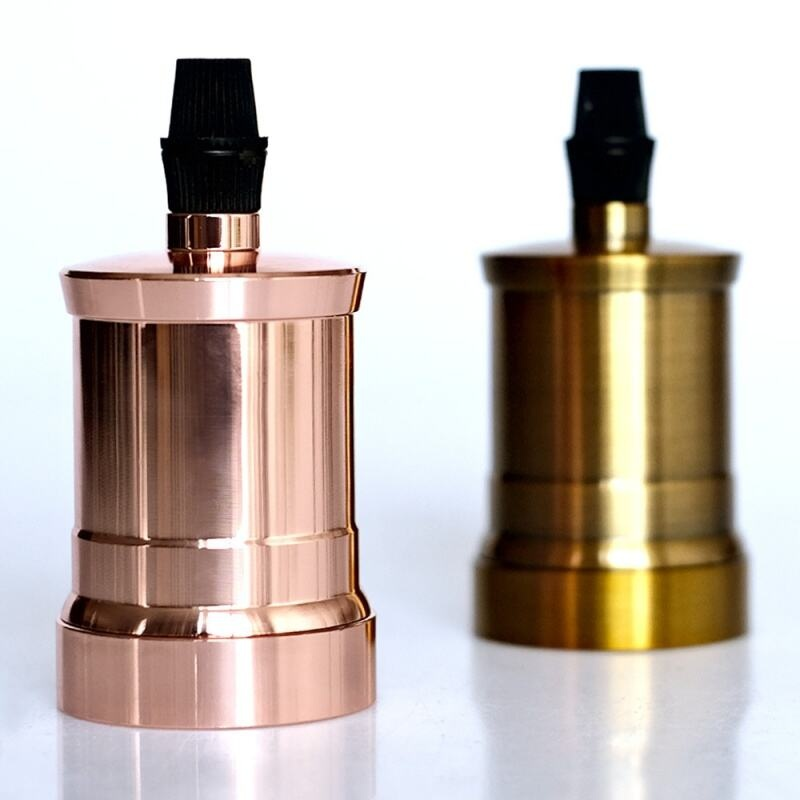
Metal pendant lamp holders from Tonghua Lighting, shown for finish comparison.
Check documentation against the exact configuration
Ask for documents identifying the actual model, components, ratings, and construction you intend to buy. A component approval should not be treated as evidence covering every finished lamp assembled from it.
The EU CE marking guidance explains manufacturer responsibilities for applicable products, including technical documentation and conformity declarations. If you sell under your own brand, establish your obligations before approving packaging or placing the order.
For other markets, confirm the applicable requirements with your compliance adviser and intended sales channel. Keep model numbers consistent across the purchase order, labels, reports, and approved sample.
Approve samples that represent the saleable product
Order the configuration you plan to sell, including its final packaging and instructions. A loose lamp holder cannot reveal missing mounting hardware, poor carton protection, or confusing customer instructions.
Keep an approved reference sample and a dated specification sheet. Record acceptable finish variation and dimensions so repeat orders can be judged against the same requirements.
Check the packed parts against the bill of materials and quantity labels.
Measure the agreed dimensions and verify shade attachment on the intended assembly.
Compare cable, canopy, and holder colors under consistent lighting.
Have qualified personnel review electrical construction and the required safety test evidence.
Review instructions, warnings, traceability labels, and replacement part identification.
Agree that component substitutions require written approval before production. A change in cable, holder, or shade can affect fit, appearance, and the relevance of existing documentation.
Control variant quantities before they tie up cash
A color chart does not tell you how much stock you will need to buy. Ask whether minimum order quantities apply to each color, cable length, or complete configuration.
For example, four colors and three cable lengths create twelve stock keeping units if you stock every combination. Start with combinations supported by customer demand, then expand after reviewing sales and returns.
You can explore shared components to simplify replenishment. Confirm that each resulting configuration remains compatible and that any required evaluation covers those combinations.
Compare the cost of a saleable kit
Include freight, duties, packaging, inspection, and expected replacement costs when comparing offers. A cheaper kit can become more expensive when missing parts generate another shipment or a customer refund.
Use this purchasing measure when reviewing trial orders. It keeps the comparison tied to stock you can actually sell.
Cost per saleable kit = total batch cost / saleable kits received
As a hypothetical example, a batch costing $3,000 with 190 saleable kits costs approximately $15.79 per kit. This is a calculation example, not a Tonghua quotation or an expected defect rate.
Agree aftersales terms before the first shipment
Ask how you should report shortages, finish defects, and damaged components. Agree the evidence required, claim period, and replacement arrangement before placing the purchase order.
Confirm whether replacement parts can be reordered using stable part numbers. You can resolve a missing canopy or holder more efficiently when the replacement matches the original configuration.
Request carton dimensions, gross weight, and units per carton alongside the commercial quotation. Your forwarder needs these details to estimate transport costs and assess the shipping arrangement.
Questions wholesale buyers ask
Can I use the same pendant kit in every market
You should specify and verify each market configuration separately. Similar appearance does not establish matching voltage ratings, installation requirements, labeling, or conformity evidence.
Should I purchase complete kits or separate components
Choose the format that matches your assembly capability and sales model. Complete kits simplify parts allocation, while component purchasing requires tighter compatibility control and clear responsibility for the final assembly.
What should I include in my first quotation request
Send your destination market, quantities by variant, component list, cable length, and packaging requirements. Include drawings or reference photos, required documents, and your preferred delivery window.
Send Tonghua Lighting a defined kit requirement
Start with our DIY cable sets and lamp holders to identify suitable styles. Then send us your sourcing brief with the market, quantity, and exact configuration you need.
Ask us to confirm available options, current minimum quantities, sample details, and supporting documentation for the selected model. A defined brief helps you obtain a quotation you can compare and a sample you can evaluate.
 Hot News
2026-09-22
2026-09-18
2026-09-16
2026-06-30
2026-06-18
2026-06-18

 EN