Published: June 18, 2026 | By Tonghua Lighting
Certification CE UL RoHS Compliance Import Guide
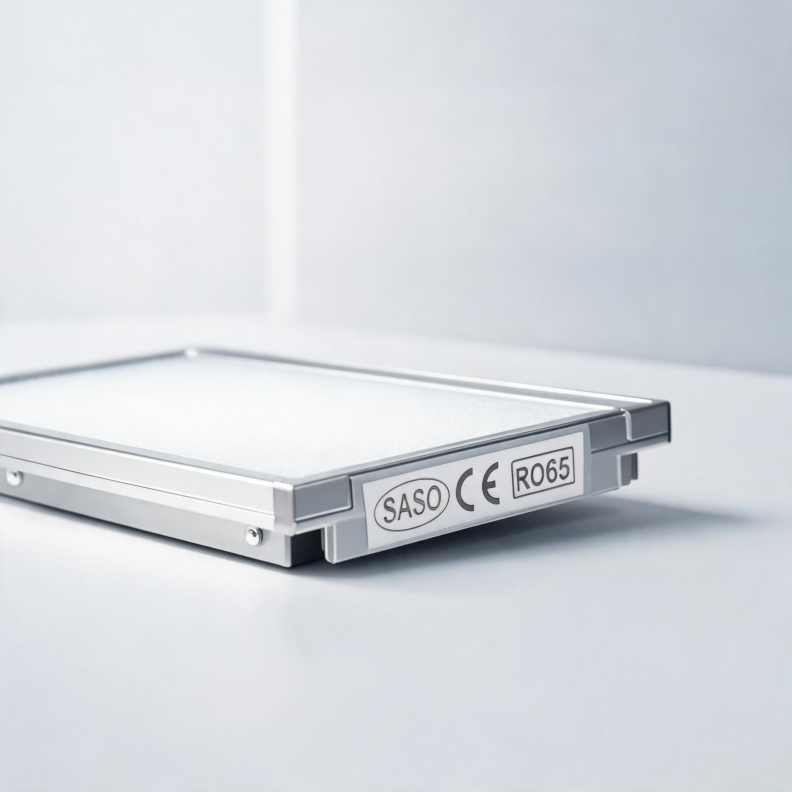
Three marks. Three separate verification databases. If you're not checking all of them, you're gambling with your shipment.
The container landed in Rotterdam on a Tuesday. Two hundred chandeliers. Invoice value: $52,000. The buyer was at a trade show in Frankfurt when customs called. By the time he opened his laptop, demurrage was past $4,000.
The officer opened the CE certificate PDF. The lab didn't exist. The certificate number wasn't in any database. The supplier — a friendly guy in Foshan — went silent once the goods were stuck.
Six weeks in a bonded warehouse. Demurrage hit $12,000. Re-export to Ningbo for re-testing would cost another $8,000. The buyer destroyed the shipment. A $52,000 invoice turned into a $70,000 lesson.
All of it could have been caught in 15 minutes.
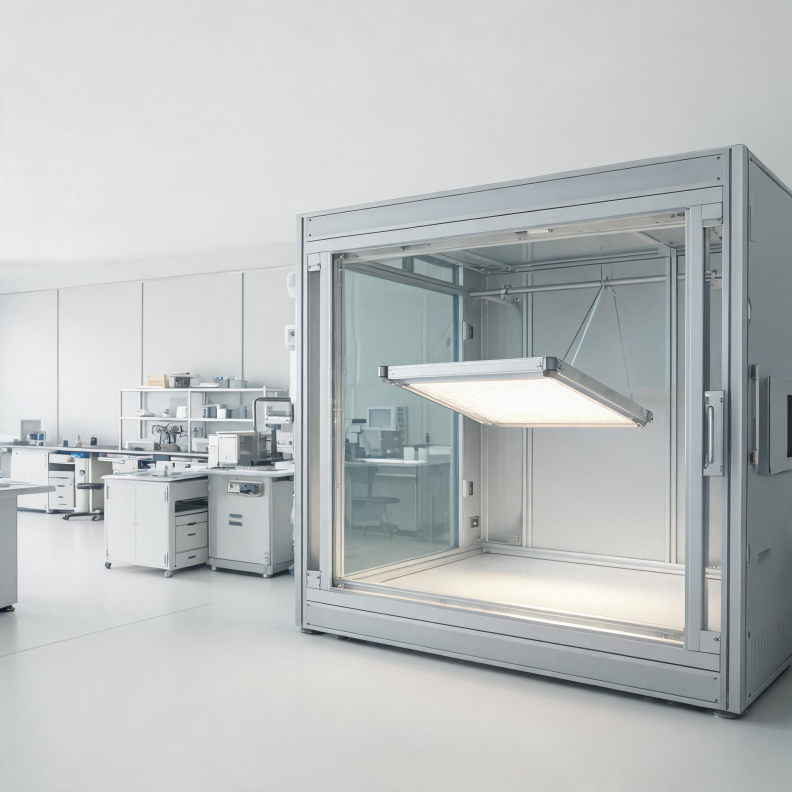
Real CE compliance means your product spent time inside an accredited EMC chamber. If there's no test report showing this, there's no CE.
CE marking is mandatory for every lighting product sold in the European Economic Area. Without it, your goods are legally unsellable. The directive numbers matter more than the sticker.
LVD — 2014/35/EU — covers electrical safety for anything between 50–1000V AC. Your chandelier, pendant, and wall light all fall under it. EMC — 2014/30/EU — makes sure your LED driver doesn't take down the hotel Wi-Fi. That's tested in an anechoic chamber, not a garage. RoHS — 2011/65/EU — keeps the hazardous substances out.
A CE logo is just a logo. Real compliance means a signed DoC backed by LVD and EMC test reports from an ISO/IEC 17025 accredited lab. No DoC? No reports? You have a sticker.
A UL Listed mark means the entire fixture passed testing — not just the wire, not just the socket, the whole assembly.
UL is the name US and Canadian inspectors know. A UL Listed mark means the whole fixture — housing, wiring, driver, lens — went through destructive testing and survived. ETL and CSA are legally equivalent, but for high-stakes projects, spec UL.
Every UL Listed product carries a file number: E/#. Go to the UL directory. Type it in. Check that the certificate holder matches your supplier and the product category matches what's in the box. A UL file for "LED drivers" doesn't cover a chandelier. Number doesn't appear? Conversation over.
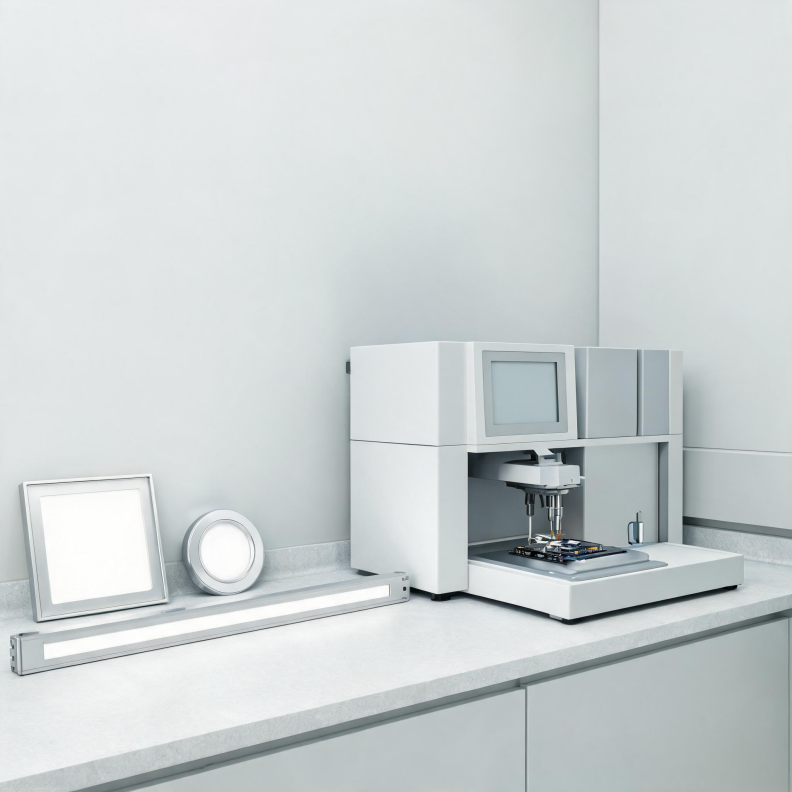
XRF analyzers like this one scan for lead, mercury, cadmium, and chromium in seconds — at the component level.
RoHS restricts ten substances: lead, mercury, cadmium, hexavalent chromium, PBBs, PBDEs, and four phthalates. China, UAE, India, and California now have their own versions. If you're shipping to multiple markets, RoHS is your floor.
REACH is broader and nastier. It covers every chemical used in production, not just the finished box. The paint on the shade. The flame retardant in the driver's plastic. A REACH violation gets a destruction order, not a warning.
Real story: Hamburg customs destroyed a batch of wall lights because a $0.03 plastic cable gland was 0.03% over the cadmium limit. A $200 test would have caught it. The shipment was worth $28,000. The importer had a RoHS certificate for the fixture, but not the subcomponents. That's the difference between a certificate and compliance.
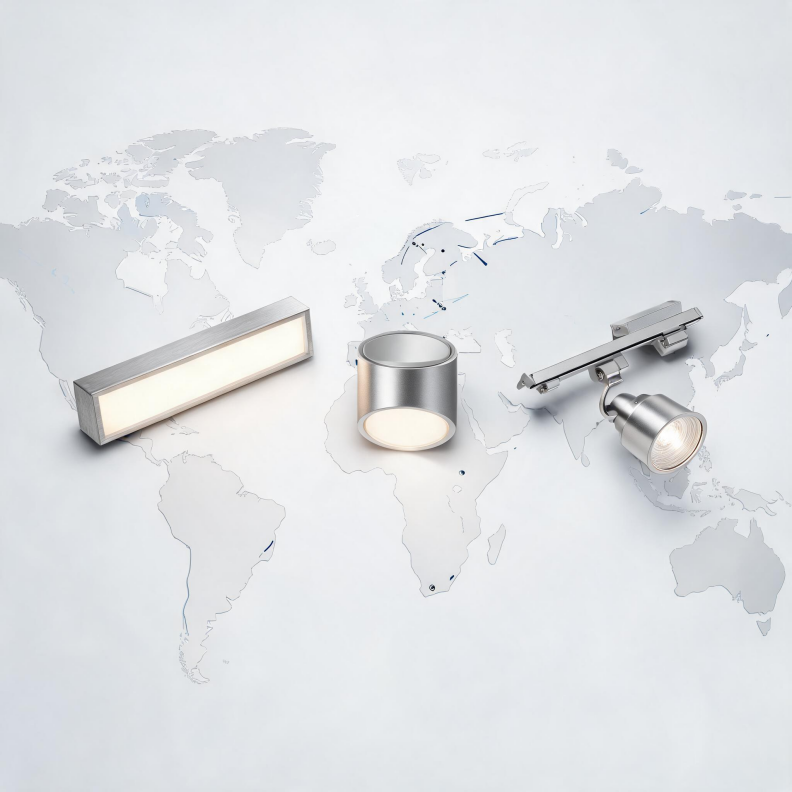
One product, five target markets, five different certification regimes. Know yours before your supplier ships.
CE and UL cover the big markets, but lighting is regional:
|
Certification |
Region |
What It Covers |
|
UKCA |
United Kingdom |
Post-Brexit replacement for CE marking in Great Britain |
|
SAA |
Australia / NZ |
Electrical safety approval required for all lighting products |
|
CCC |
China |
Compulsory certification for products sold in China's domestic market |
|
BIS |
India |
Mandatory registration for LED lighting products imported into India |
|
SASO / CB |
Saudi Arabia / GCC |
Safety and energy efficiency requirements for Gulf Cooperation Council countries |
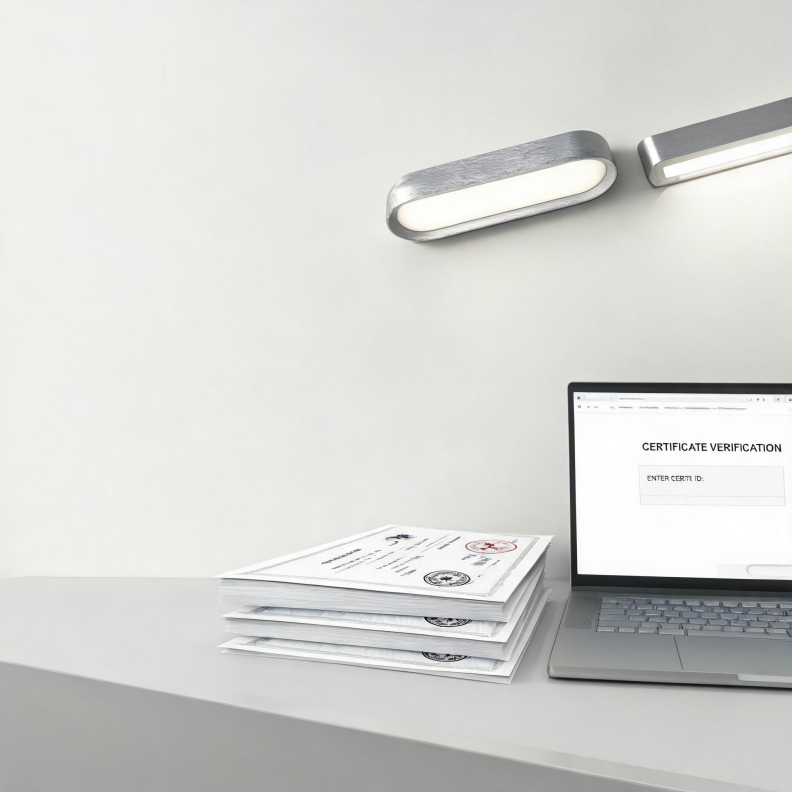
Real certifications come with test reports you can verify online. If the supplier won't give you the report number, ask why.
Anyone can forward a PDF. Catching a fake takes work.
Start with the certificate number in the issuing body's directory. UL, ETL/Intertek, and SAA all have public registers. Don't click the supplier's link. Go yourself. If the number doesn't appear, or the company name doesn't match your supplier, it's fake. Conversation over.
Then ask for the full test report, not the cover page. It tells you what was actually tested, which standard was applied (IEC 60598 for luminaires), and whether it passed or got a conditional pass. If a supplier stalls here, they're hiding something. We've had suppliers send us beautiful certificates and then go silent for three weeks when we asked for the actual EMC report. That's not busy. That's scared.
Last, check the lab. Look it up on A2LA, DAkkS, or CNAS. It must be ISO/IEC 17025 accredited. If you can't find it on any recognized database, the report is invented. Real labs don't hide. They publish their accreditation scope publicly because their business depends on it.
Genuine certificates carry traceable numbers and accredited lab logos. Fakes often have expired dates, mismatched scopes, or labs that don't exist.
Fake certificates come in predictable flavors. A buyer in Dubai sent us a CE label with no DoC. We asked for the LVD and EMC reports. The supplier said, "The logo is enough." It wasn't. Another buyer in Ningbo kept getting a 2019 CE certificate for a standard that was updated in 2022. Then there's the classic UL file for LED drivers somehow covering a 12-arm chandelier. If the math doesn't match, the certificate doesn't either.
And the lab. If the testing lab isn't on A2LA, DAkkS, or CNAS, the report is probably invented. Real labs don't hide their accreditation. They promote it. If your supplier says the lab is "too small to be listed," that's not an explanation. That's a confession.
Here's the honest part. We don't expect you to trust a logo on a box. Our products carry CE, UL, RoHS, REACH, SAA, and SASO certifications backed by test reports from TÜV Rheinland, SGS, and Intertek — all ISO/IEC 17025 accredited. Verify every number yourself. We encourage it.
Every shipment leaves with a documentation package: DoC, test reports, and certificates. We keep them digitally and can resend them in minutes. You need a certificate for a 10 PM tender? It's in your inbox before you finish your coffee.
We also handle project-specific certifications before production starts. If a tender needs ENEC, BSI Kitemark, or SASO energy efficiency registration, we arrange testing in advance. That keeps your shipment moving through customs instead of sitting in Jebel Ali.
Most importers learn this with a container stuck in customs and a supplier who stopped answering WhatsApp. Don't be that importer.
Before you sign the PO, check five things: the UL file number, the full LVD/EMC reports, the lab's ISO/IEC 17025 accreditation, the dates, and whether the scope matches your product. All five pass, sign. One fails, walk.
Want a second pair of eyes? Send the certificates over. We look at these every day. We'll tell you if they're real, expired, or borrowed from another factory. If we can't help, we'll tell you that too. Saves everyone time.
About Tonghua Lighting
Haining Tonghua Lighting builds chandeliers, pendants, wall lights, table and floor lamps, ceiling fixtures, outdoor lighting, and LED bulbs for buyers in 40+ countries. We do OEM/ODM with the documentation ready when you ask for it — CE, UL, RoHS, REACH, SAA, and SASO, tested by TÜV Rheinland, SGS, and Intertek. Send your certificates over. We'll tell you what we see.
 Hot News
2026-10-25
2026-10-26
2026-09-22
2026-09-18
2026-09-16
2026-06-30
 EN
EN